November 17, 2026
Plantar fasciitis is one of the most prevalent orthopedic complaints, causing significant disruption to daily routines, athletic pursuits, and workplace productivity. The condition stems from inflammation and micro-tears within the plantar fascia, a thick band of connective tissue spanning the sole of the foot from the calcaneus to the toes. According to Self, plantar fasciitis affects over two million Americans yearly. When left unaddressed, what begins as minor morning irritation can rapidly evolve into persistent, debilitating pain that compromises basic mobility. Recognizing the early warning indicators allows individuals to implement restorative measures before tissue damage becomes entrenched. Whether someone spends long shifts on hard concrete floors or logs high weekly running mileage, understanding symptom progression and knowing when to consult an experienced foot doctor can make all the difference in achieving a full recovery.
Understanding the Mechanics of Plantar Fascia Strain
The plantar fascia functions like a shock-absorbing bowstring, supporting the natural longitudinal arch of the human foot and distributing body weight across the stride cycle. Every time the foot strikes the ground, tensile forces stretch the fascia. While this durable tissue is engineered to withstand substantial biomechanical stress, excessive strain, structural abnormalities, improper footwear, or sudden increases in physical activity can overwhelm its regenerative capacity. Over time, repetitive stress produces micro-trauma, leading to cellular disorganization and chronic irritation. Understanding this physiological mechanism clarifies why resting alone rarely resolves severe cases. Without targeted interventions that address the root biomechanical stressors, the fascia remains caught in an ongoing cycle of breakdown.
Identifying Sharp Stabbing Pain During First Morning Steps
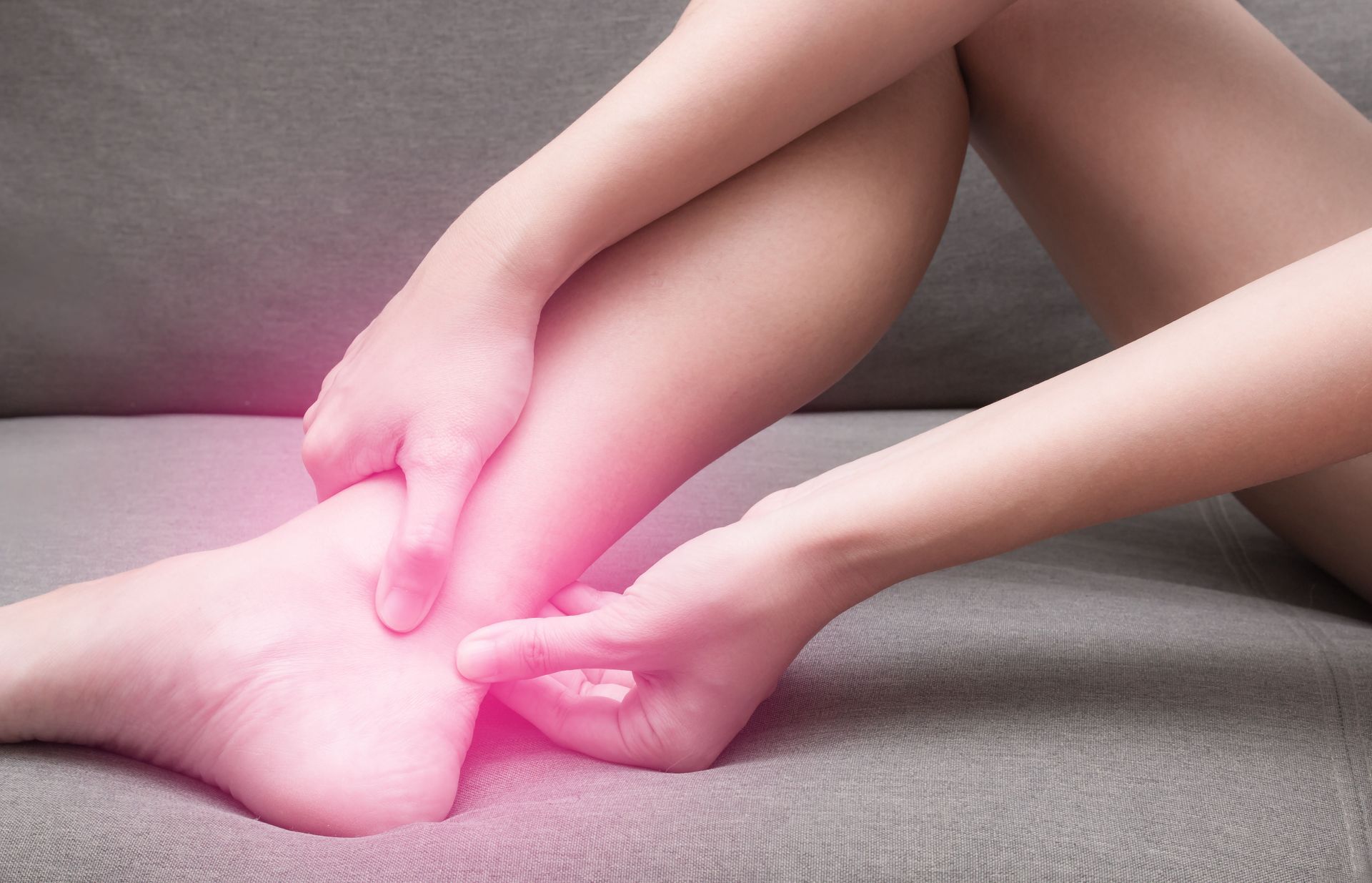
The quintessential hallmark of plantar fasciitis is an intense, stabbing sensation centered on the underside of the heel upon taking the first steps of the day. During sleep, the foot rests in a naturally relaxed posture, causing the plantar fascia to shorten, contract, and attempt micro-cellular healing. The moment weight is placed on the foot in the morning, the contracted tissue is abruptly stretched under full body weight, pulling at its calcaneal attachment site. This sudden traction produces immediate distress that often leaves individuals hobbling across the bedroom. While the discomfort frequently subsides into a dull ache after ten minutes of walking as the tissue warms, the underlying micro-tears remain unhealed.
Recognizing Deep Arch Aches After Extended Periods of Rest
While morning steps represent the most recognizable symptom, the exact same mechanical pattern repeats itself throughout the day following periods of physical inactivity. Sitting at a desk for several hours, commuting in an automobile, or relaxing on the couch allows the plantar fascia to cool and tighten once again. Upon standing up, sufferers experience an acute recurrence of burning arch ache and heel stiffness. This post-static dyskinesia creates a frustrating cycle where brief rest periods bring temporary relief from weight-bearing, only to be followed immediately by renewed agony upon rising. Ignoring this recurring pattern often leads sufferers to avoid moving altogether, compounding stiffness.
Observing Localized Swelling and Warmth Around the Heel
Although plantar fasciitis is fundamentally classified as a degenerative fasciosis rather than an acute inflammatory condition, visible puffiness, warmth, and swelling frequently develop around the heel pad. Persistent mechanical stress triggers localized fluid retention and soft-tissue irritation around the fascial insertion point. In many cases, touching the inner border of the heel reproduces distinct tenderness, and the surrounding skin may feel noticeably warm. A qualified foot doctor can determine whether the swelling stems from plantar fasciitis or alternative etiologies such as calcaneal stress fractures, bursitis, or systemic arthritic conditions, ensuring appropriate therapeutic management.
Noting Severe Tightness in the Achilles Tendon and Calf
The plantar fascia does not exist in anatomical isolation; it is intimately connected to the posterior kinetic chain through the paratenon of the Achilles tendon. Consequently, tightness within the calf musculature drastically restricts normal dorsiflexion of the ankle joint. When the calf cannot lengthen sufficiently during normal stride progression, excessive compensatory tensile forces are transmitted directly into the plantar fascia. Sufferers frequently report feeling an unyielding stiffness running from the lower calf down into the bottom of the foot, especially during uphill walking or barefoot movement. Over time, chronic muscle tightness reinforces fascial contracture.
Examining Limping and Alterations in Natural Walking Gait
Chronic foot discomfort inevitably alters the way an individual moves. To avoid applying pressure to a painful heel, patients instinctively adapt their walking mechanics by shifting weight to the lateral edge of the foot or walking on their toes. While this antalgic limping provides temporary evasion from sharp heel strikes, it disrupts natural foot pronation and shock attenuation. These unconscious compensations place unnatural rotational forces on bones, ligaments, and tendons that were never structured to carry uneven loads. An early clinical evaluation by a foot doctor ensures that minor gait adjustments do not cause long-term mechanical dysfunction across the lower extremities.
Analyzing Radiating Pain in the Knees, Hips, and Lower Back
Because the human skeletal framework operates as an interconnected kinetic chain, altered foot dynamics send shockwaves upward through the body. Limping or favoring one limb causes pelvic tilting, asymmetric stride lengths, and uneven spinal alignment. Over weeks and months, individuals often find themselves developing secondary complaints, including knee discomfort, hip bursitis, sacroiliac joint strain, and chronic lumbar back stiffness. Sufferers frequently fail to connect their aching lower back to their foot pain, attempting to treat each symptom in isolation. An experienced foot doctor can trace these kinetic chain disruptions back to their source at the foot bed, resolving compensatory pain systematically.
Monitoring Chronic Discomfort That Escalates Following Exercise
A common misconception among active individuals is that plantar fasciitis only strikes during exercise. In reality, warm-up routines and prolonged activity often cause the plantar fascia to temporarily stretch and desensitize, leading athletes to believe they can push through their workouts without consequence. However, once physical exertion finishes and the body cools down, severe throbbing and profound stiffness typically rebound with heightened intensity. Continuing high-impact cardio or running on compromised connective tissue accelerates micro-tearing and increases the risk of fascial rupture. Recognizing post-workout inflammation is essential for preventing structural tissue failure.
Evaluating When Conservative Home Remedies Fail to Provide Relief
Mild cases of heel discomfort can occasionally respond favorably to short courses of conservative home care, including supportive footwear, ice rolling, calf stretches, and brief rest periods. However, when these basic interventions fail to provide meaningful improvement after two or three weeks, continuing self-treatment can delay essential clinical healing. Persistent pain signifies that tissue degeneration has progressed beyond the reach of over-the-counter remedies. At this crucial juncture, it is time to see a foot doctor who can evaluate structural alignment, conduct diagnostic imaging, and design a customized rehabilitation roadmap that prevents the condition from transitioning into a permanent disability.
Consulting a Foot Doctor for Comprehensive Diagnosis and Treatment
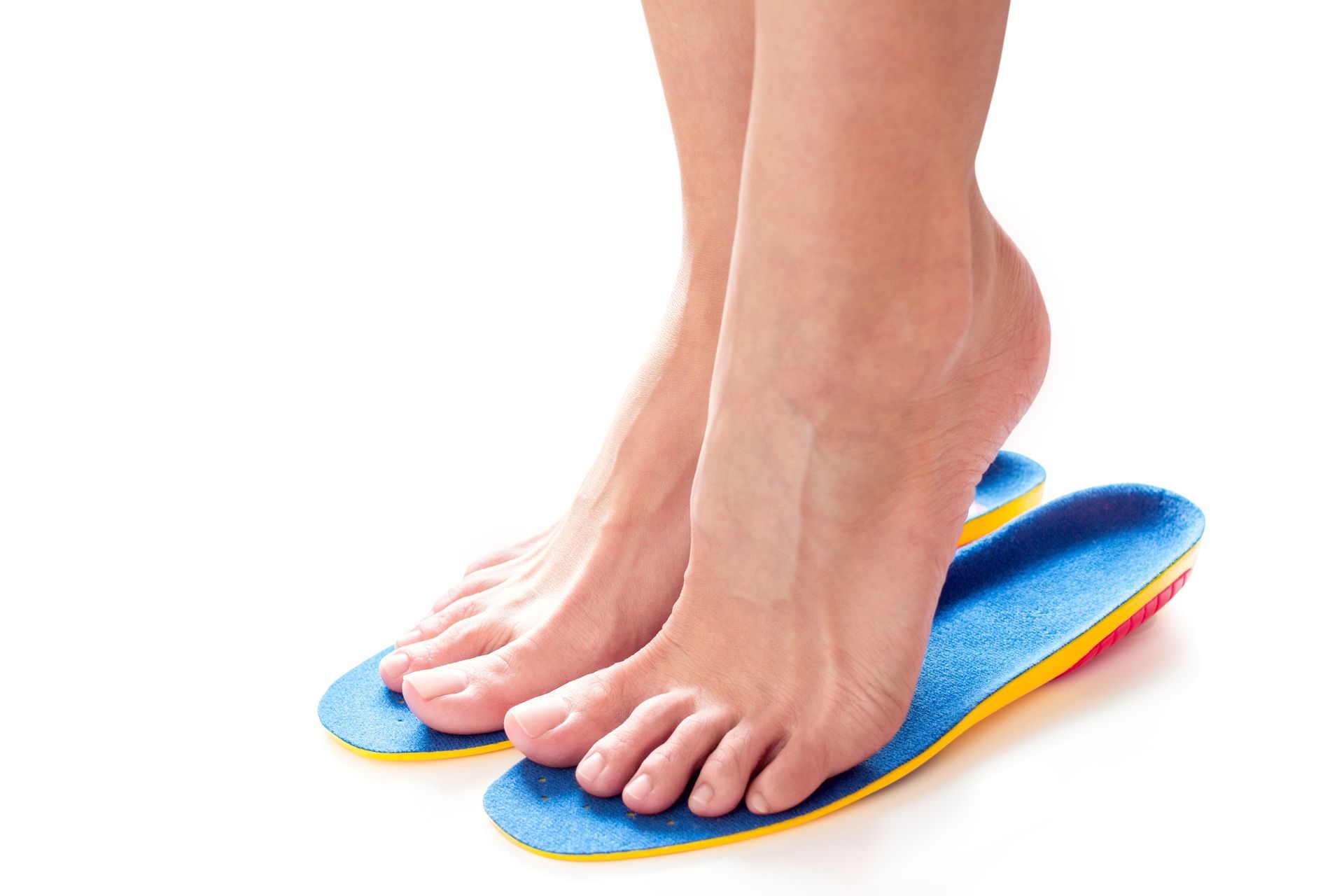
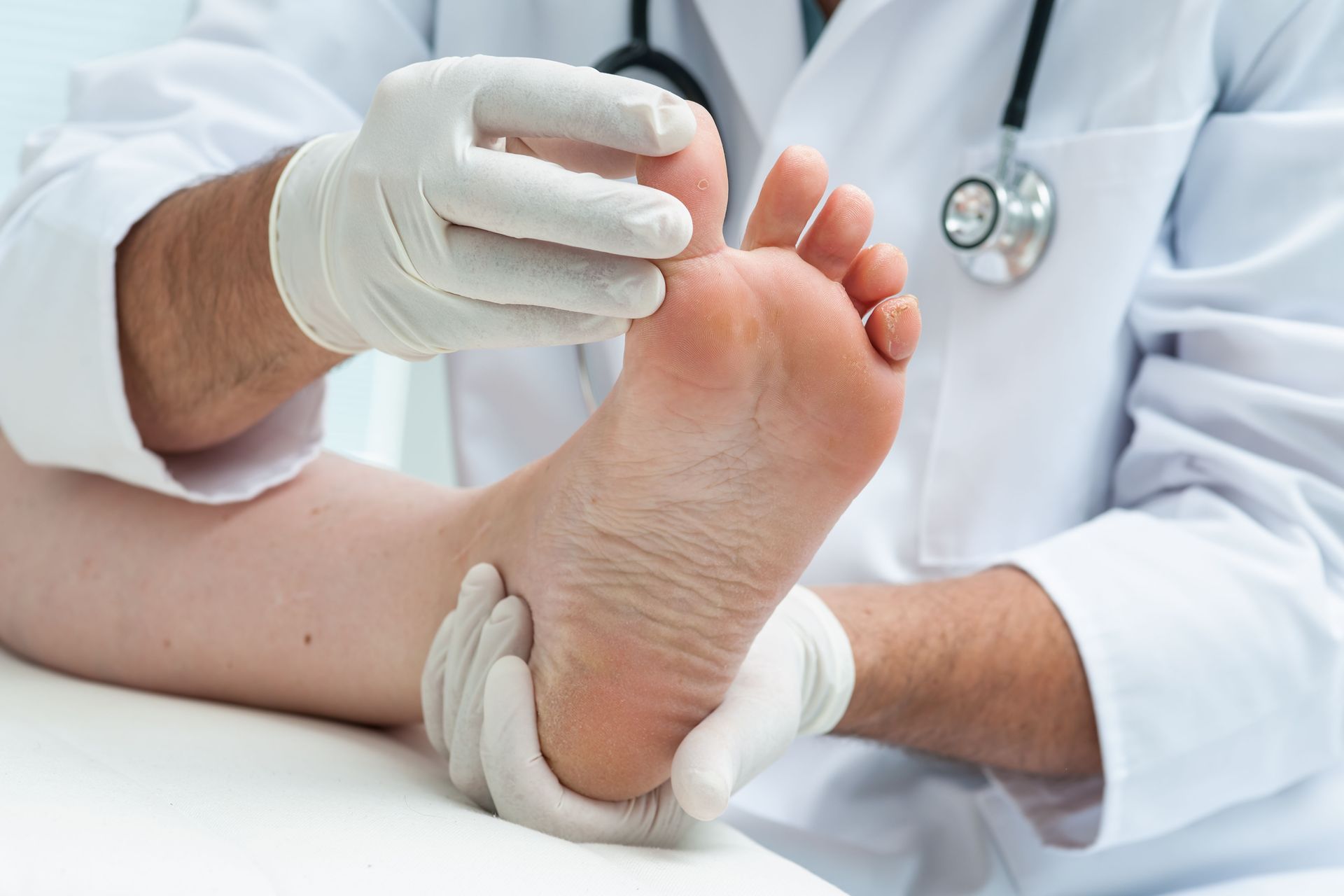
Scheduling a clinical assessment provides patients with accurate diagnostics and access to evidence-based modalities that accelerate tissue regeneration. During an appointment, your foot doctor will perform a thorough physical examination to rule out nerve entrapment, systemic inflammatory disorders, and calcaneal spur complications. Depending on individual diagnostic findings, advanced clinical treatments may incorporate custom functional orthotics, targeted physical therapy protocols, extracorporeal shockwave therapy, platelet-rich plasma injections, or night splinting. Professional medical guidance eliminates trial-and-error guesswork, safeguarding long-term foot function. If persistent heel pain is interfering with your active lifestyle or daily comfort, do not wait for minor aches to turn chronic. Reach out to an experienced foot doctor and take the first step toward lasting mobility by contacting Mid Nebraska Foot Clinic to schedule your comprehensive evaluation today.