May 11, 2026
Heel pain, particularly plantar fasciitis, affects millions and can significantly hinder daily activities and overall mobility. Understanding its causes, symptoms, and treatment options is key to effective management and long-term recovery.
Understanding Heel Pain and Plantar Fasciitis
Causes and Risk Factors
Pain under heel of foot is often caused by plantar fasciitis, an inflammation of the ligament connecting the heel to the toes. Risk factors include age, obesity, prolonged standing, and high-impact exercise. Foot mechanics, such as flat feet or high arches, also increase susceptibility. Recognizing these causes helps in preventing and treating the condition effectively, ensuring better foot health over time.
Occupational factors can exacerbate pain under heel of foot. Jobs requiring long hours of standing, like teaching or factory work, place repeated stress on the heel, leading to chronic discomfort. Preventive measures include supportive footwear, ergonomic adjustments, and regular stretching throughout the day to reduce strain.
Exercise affects heel health. High-impact activities like running or jumping can strain the plantar fascia, while low-impact exercise and proper stretching strengthen foot muscles and reduce stress. Tailoring exercise to individual needs is vital for managing and preventing heel pain while maintaining overall fitness and joint health.
Anatomy of the Foot
The foot contains 26 bones, 33 joints, and over a hundred muscles, tendons, and ligaments. The plantar fascia supports the arch and absorbs shock while walking. Overstress causes small tears and inflammation, resulting in pain under heel of foot. The heel bone, or calcaneus, bears significant weight, making it prone to plantar fasciitis and other stress-related conditions.
Arch structure affects weight distribution. High arches concentrate pressure on heels and toes, while flat feet cause inward rolling, both increasing plantar fascia strain. Aging, weight changes, and prolonged standing further influence foot mechanics and heel pain risk, highlighting the importance of supportive footwear and foot exercises.
Heel structure includes the calcaneus, surrounding tissues, and muscles, all absorbing walking shock. The plantar fascia attaches near the heel, a common inflammation site. Understanding anatomy aids in diagnosing and targeting heel pain treatment effectively, ensuring patients regain comfort and mobility.
Symptoms Explained
Pain under heel of foot from plantar fasciitis usually appears as sharp morning pain, easing throughout the day but returning after standing. It may extend to the arch and cause stiffness. Early recognition is crucial for timely intervention and prevention of long-term complications.
This pain is often mistaken for heel spurs, bony growths that may accompany plantar fasciitis but rarely cause discomfort alone. Plantar fasciitis develops gradually, not from a single injury, and usually does not cause visible swelling, unlike other foot conditions.
According to Today's Podiatrist, 6 in 10 Americans who have experienced heel pain over the past year also have had trouble performing life’s daily activities. Recognizing this impact emphasizes the need for early management to prevent mobility limitations and maintain independence in daily routines.
Common Misconceptions
Many believe heel spurs are the main cause of heel pain, when in reality, plantar fasciitis often occurs without them. Another myth is that it only affects athletes, yet anyone increasing activity levels or with poor foot mechanics can be affected. Proper exercise and stretching are essential for rehabilitation and long-term relief.
Rest alone may not relieve pain under heel of foot; inactivity can worsen stiffness and prolong recovery. Special footwear helps but must be combined with therapy for effective management. Surgery is rarely necessary, as most cases respond well to conservative treatment and lifestyle adjustments.
Correcting misconceptions ensures patients adopt sustainable strategies, combining therapy, orthotics, and lifestyle changes to relieve pain and prevent recurrence, allowing a return to active, pain-free living.
Impact on Daily Life
Pain under heel of foot limits mobility, making walking and other activities difficult. For active workers, it can reduce productivity, income, and overall quality of life. Effective treatment restores normal function and improves physical and emotional well-being.
Chronic heel pain may cause frustration, anxiety, and social withdrawal. Addressing both physical and emotional aspects is crucial, as plantar fasciitis can lead to secondary musculoskeletal issues from altered gait, affecting knees, hips, or back. Timely management helps prevent further complications and maintains overall health.
Early intervention prevents long-term consequences, maintaining functional movement, independence, and quality of life while reducing stress on other joints and improving overall mobility.
Diagnosis and Assessment
Medical History Evaluation
Accurate diagnosis begins with medical history, including lifestyle, occupation, injuries, and symptoms. Understanding triggers and previous interventions guides targeted management. Family history may indicate predisposition to foot conditions and influence treatment planning.
Clinicians inquire about pain intensity, duration, and factors that worsen or relieve it. Footwear and exercise habits are assessed to determine contributing causes. This holistic approach ensures effective, personalized treatment planning and long-term relief.
Physical Examination Techniques
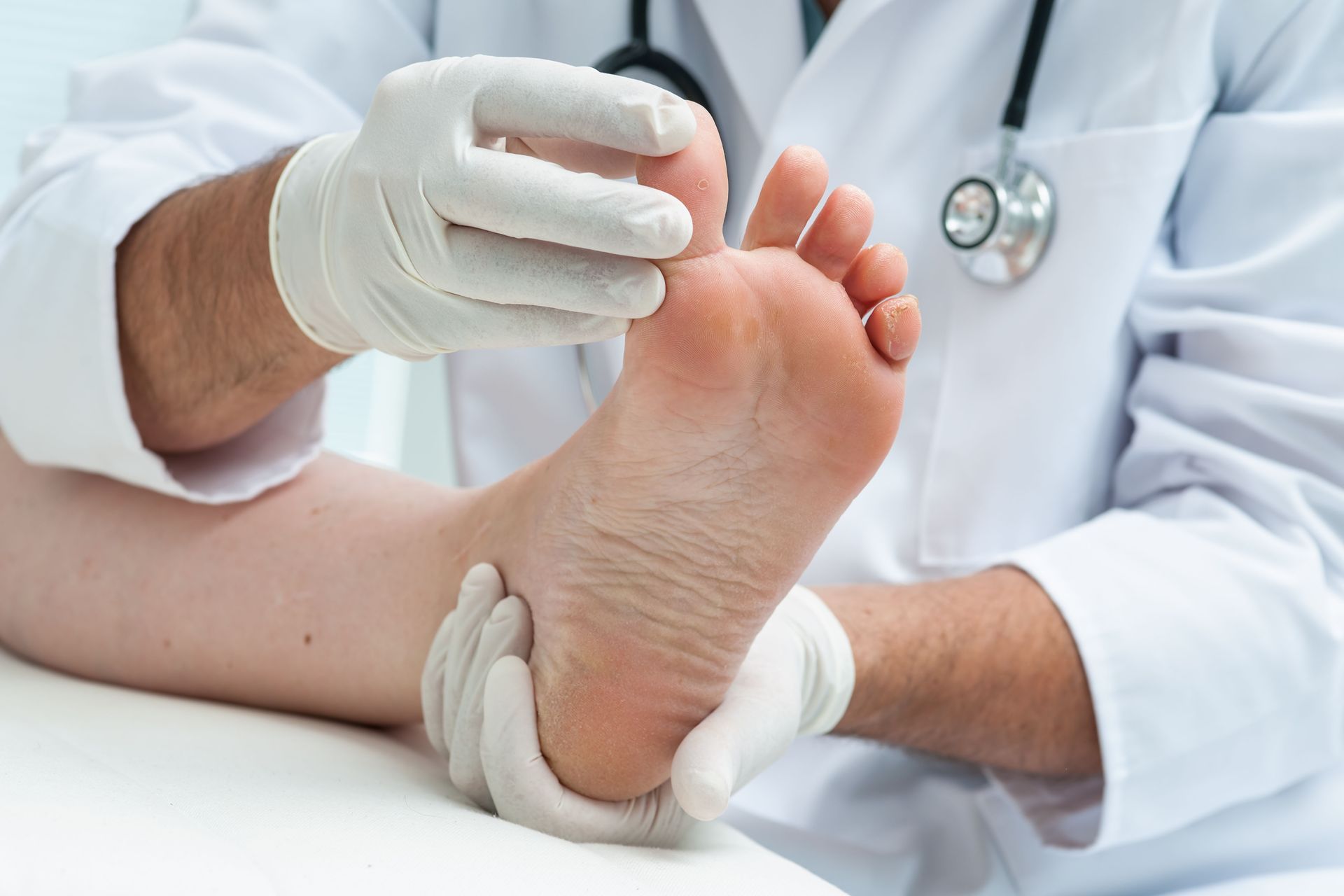
Examination involves palpating the heel and arch to locate pain under heel of foot. Gait analysis highlights compensatory behaviors. Functional tests like the Windlass test help confirm plantar fasciitis, guiding treatment decisions and rehabilitation strategies.
Physical assessment engages patients, increasing understanding of foot mechanics and compliance with recommended therapies. Observing functional limitations informs rehabilitation plans and ensures targeted care tailored to each individual’s needs.
Imaging Tests
X-rays rule out fractures and heel spurs. MRI and ultrasound provide detailed views of soft tissue, revealing plantar fascia inflammation or tears. Imaging supports accurate diagnosis, tracks progress, and guides interventions if conservative treatments fail.
Judicious imaging ensures cost-effective, safe assessment, complementing clinical evaluation. Results inform the choice of therapies, from orthotics to targeted injections, reducing the risk of mismanagement and improving outcomes.
Self-Assessment Tools
Pain diaries, mobile apps, and questionnaires help track pain under heel of foot, triggers, and alleviating factors. These tools empower patients, provide valuable data for clinicians, and enhance personalized care plans for faster recovery.
Monitoring functional limitations and pain trends allows patients to adjust activity levels and exercise, improving recovery outcomes. Regular self-assessment promotes proactive involvement in treatment and long-term foot health.
When to Seek Professional Help
Persistent pain under the heel of the foot lasting weeks, severe discomfort, swelling, or interference with daily activities warrants professional evaluation. Early consultation prevents chronic issues and enables targeted treatment, ensuring better outcomes.
Changes in gait, balance, or symptoms in patients with conditions like diabetes require prompt attention. Healthcare providers offer interventions such as physical therapy, orthotics, and lifestyle guidance to restore mobility, reduce pain, and prevent further complications.
Treatment Options
Conservative Therapies
Initial treatment for pain under heel of foot includes rest, ice, anti-inflammatory medication, and stretching exercises targeting the plantar fascia and calf muscles. Proper footwear and orthotics support arches and reduce strain. Consistent home exercises accelerate recovery and prevent recurrence.
Physical therapy strengthens foot and lower leg muscles, improves flexibility, and corrects gait abnormalities. Massage, taping, and night splints may complement therapy to relieve discomfort and maintain long-term foot health.
Medical Interventions
When conservative measures fail, medical interventions include corticosteroid injections or platelet-rich plasma therapy to reduce inflammation. Surgery is rarely needed and only considered for severe, persistent pain under the heel of the foot.
Interventions are selected based on severity, imaging results, and patient lifestyle. Non-invasive methods are preferred, reserving surgery as a last option after careful evaluation to ensure safety and effectiveness.
Pain under the heel of the foot, primarily from plantar fasciitis, can significantly affect daily life. Early recognition, accurate diagnosis, conservative therapy, and preventive strategies are key to relief and long-term management. Professional guidance ensures effective treatment, restoring mobility and improving quality of life for those affected. For more information, contact Mid Nebraska Foot Clinic today.